
Dental implants are a popular and effective solution for replacing missing teeth, offering a permanent option that mimics the look and function of natural teeth. One of the most common questions patients have is, "How long does a dental implant last?" The answer to this question depends on several factors, including the patient's oral hygiene, lifestyle, and the quality of the implant and its placement.
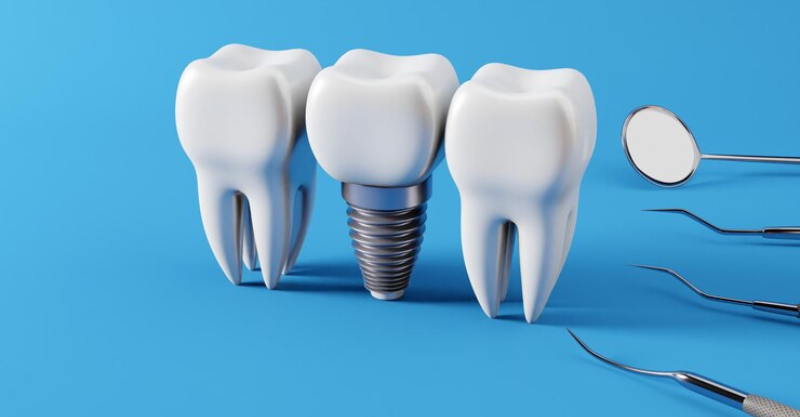
Generally, dental implants are designed to be a long-term solution, and with proper care, they can last a lifetime. The implant itself, which is a titanium post surgically inserted into the jawbone, is biocompatible and integrates with the bone through a process called osseointegration. This creates a stable and durable foundation for the artificial tooth. The titanium post is incredibly resilient and, in most cases, does not need to be replaced.
However, the longevity of the dental crown, which is the visible part of the implant, can vary. Typically, crowns last between 10 to 15 years before they may need to be replaced due to normal wear and tear. Advances in dental materials and technology continue to improve the durability and aesthetics of crowns, potentially extending their lifespan even further.
Several factors influence the overall longevity of dental implants:
Oral Hygiene: Good oral hygiene is crucial. Regular brushing, flossing, and dental check-ups help prevent gum disease and other complications that could affect the implant's stability.
Lifestyle Habits: Smoking, excessive alcohol consumption, and poor dietary choices can negatively impact the health of dental implants. Avoiding these habits can significantly extend the lifespan of the implant.
Bone Health: Sufficient bone density and volume are essential for the successful integration of the implant. Bone loss over time can affect the implant’s stability, so maintaining good bone health is important.
Professional Care: Regular visits to the dentist for cleanings and check-ups allow for early detection and management of any issues that might compromise the implant.
Implant Quality: The quality of the implant materials and the expertise of the dental professional performing the procedure play critical roles in the success and longevity of the implant.
while the dental implant itself can last a lifetime with proper care, the crown may need replacement after 10 to 15 years. Maintaining excellent oral hygiene, making healthy lifestyle choices, and having regular dental check-ups are key factors in ensuring the longevity of a dental implant. Advances in dental technology continue to enhance the durability and success rates of dental implants, making them a reliable and enduring solution for tooth replacement.